Case Studies
Click on the images below to read more about these interesting applications of propane across the transportation sector!
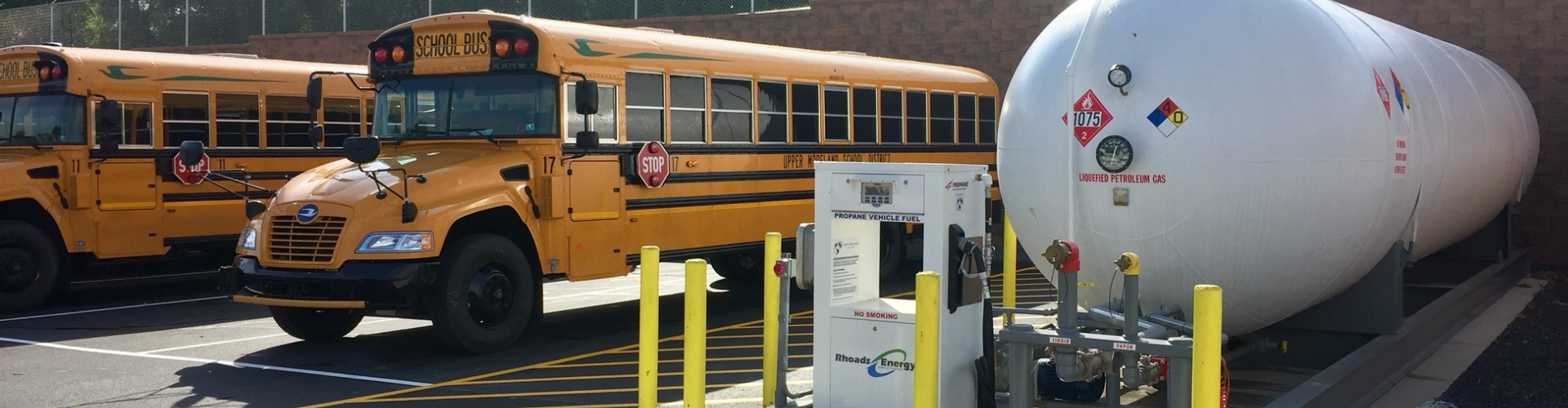
Washington School District cuts cost and improves air quality with propane

Propane
Also known as liquefied petroleum gas (LPG), propane autogas is the world's third most common transportation fuel, behind gasoline and diesel. Propane is stored under pressure inside a tank as a colorless, odorless liquid. As pressure is released, the liquid propane vaporizes and turns into gas that is used in combustion for vehicles. Fleets can purchase new light, medium and heavy duty propane vehicles, often with the help of incentives, or upgrade eligible existing vehicles for propane use.
Why Propane?
 Energy Security
Propane is derived from both crude oil refining and natural gas processing, with similar amounts deriving from each process. Naturally gas is domestically abundant in the United States, so, if natural gas sourced propane is used, you can reduce your fleet's petroleum consumption and contribute to national energy security.
Competitive Price Point
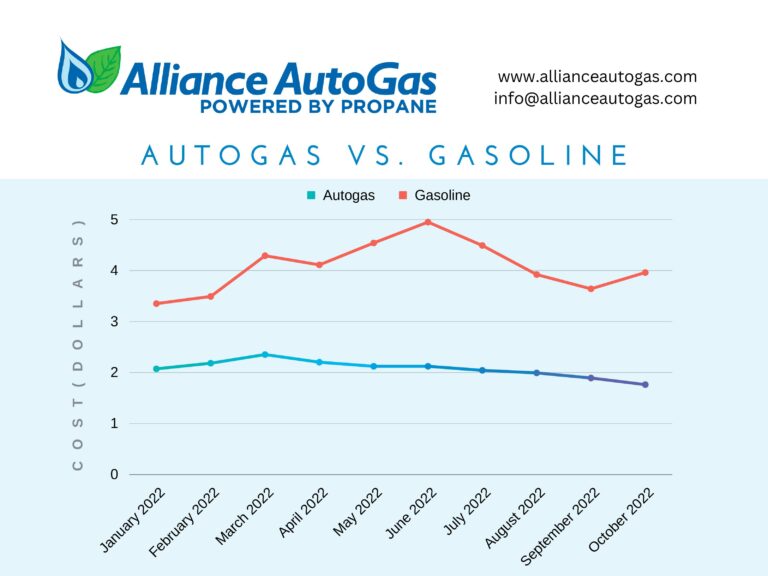
Despite fuel economy losses and higher upfront costs, propane vehicles often pay themselves off in comparison to conventional choices due to propane's lower price at the pump. This doesn't even take into account existing state and federal credits organizations can receive for switching to propane.
Reduced Emissions
The DOE's GREET Model estimates that propane use reduces lifetime greenhouse gas emissions by 13% when compared to conventional fuels. Additionally, if natural gas is used as the source, petroleum use is almost entirely reduced. Renewable propane can further reduce fleet emissions.
Engine Reliability
Propane has a higher octane rating than gasoline, reducing engine knocking, resulting in less maintenance costs and longer engine lifespans. Additionally, the gaseous nature of the propane-air mixture allows for easier "cold starts" in comparison to diesel fuel.
Practical Infrastructure
The United States already has an extensive propane production and distribution network, and there are plenty of public fueling stations across the country. Furthermore, if a fleet is interested in building out its own fueling facility, costs are limited to the equipment needed to store and dispense propane purchased from a supplier. Suppliers will often lease equipment out to fleets in exchange for a fuel contract, making the station even more affordable. See below for a map of propane fueling stations across the nation.
Renewable Propane
Renewable propane (or biopropane) is a non-fossil fuel produced from 100% raw materials. It’s commonly produced from feedstock like animal fat, wood waste and cooking oil and is a byproduct of renewable diesel and sustainable aviation fuel production. It can be used as a “drop-in” to propane since renewable propane’s chemical structure and physical properties are the same, offering equivalent reliability and power. The main difference? Renewable propane has a carbon intensity four times lower than conventional propane and five times lower than diesel.