Case Studies
Natural Gas
Natural gas is an alternative fuel made from a mixture of hydrocarbons such as methane. It can produce significantly fewer harmful emissions than gasoline or diesel when used in natural gas vehicles. Though natural gas accounts for one quarter of the energy used in the U.S, only about one tenth of one percent of natural gas is currently used as transportation fuel. As a transportation fuel, natural gas comes in two forms: compressed natural gas (CNG) and liquefied natural gas (LNG). Fleets interested in implementing one of these fuel types can purchase new natural gas vehicles (NGVs) or upgrade existing vehicles to support natural gas fueling.
Why Natural Gas?
 Energy Security
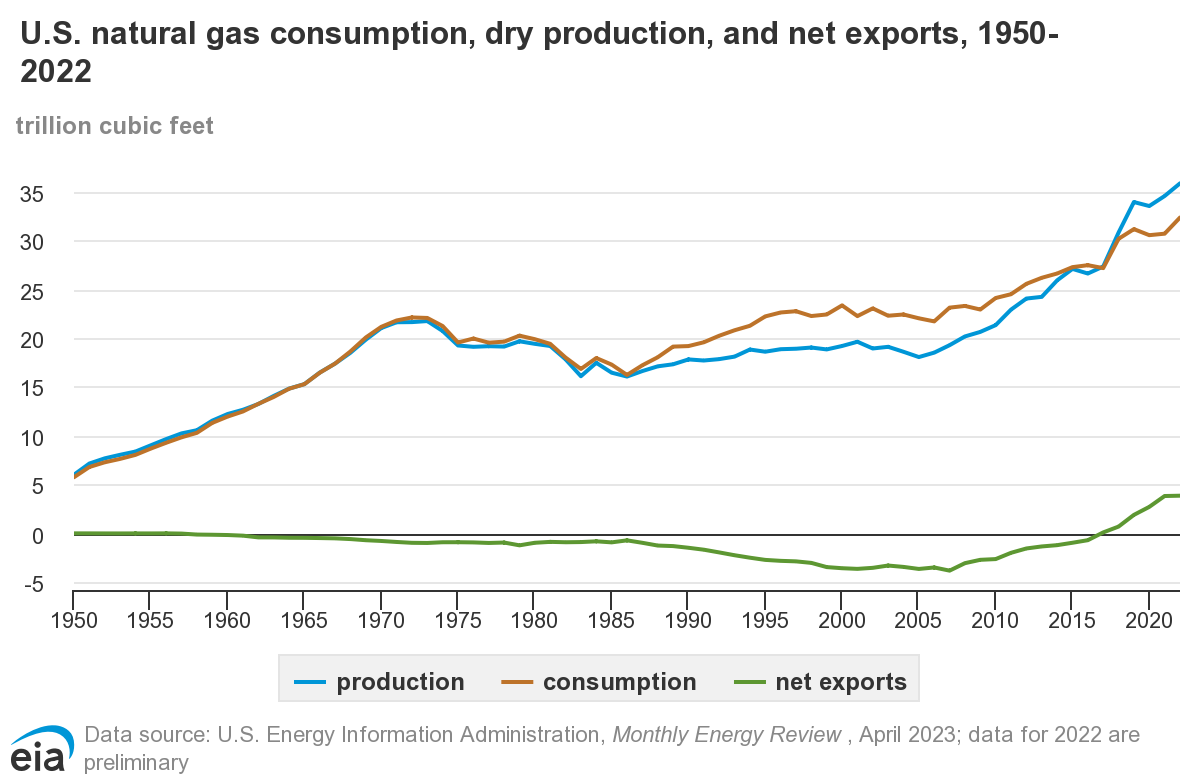
Natural gas is domestically abundant in the United States, with the recent production surge driven by hydraulic fracturing and horizontal drilling technology. In 2017, the US became a net exporter of natural gas for the first time since the 1950s, and production continues to outpace consumption. Thus, by implementing natural gas vehicles into fleets and relying on this domestically abundant fuel, companies and organizations help reduce reliance on foreign oil and promote the nation's energy security.
 Price Stability
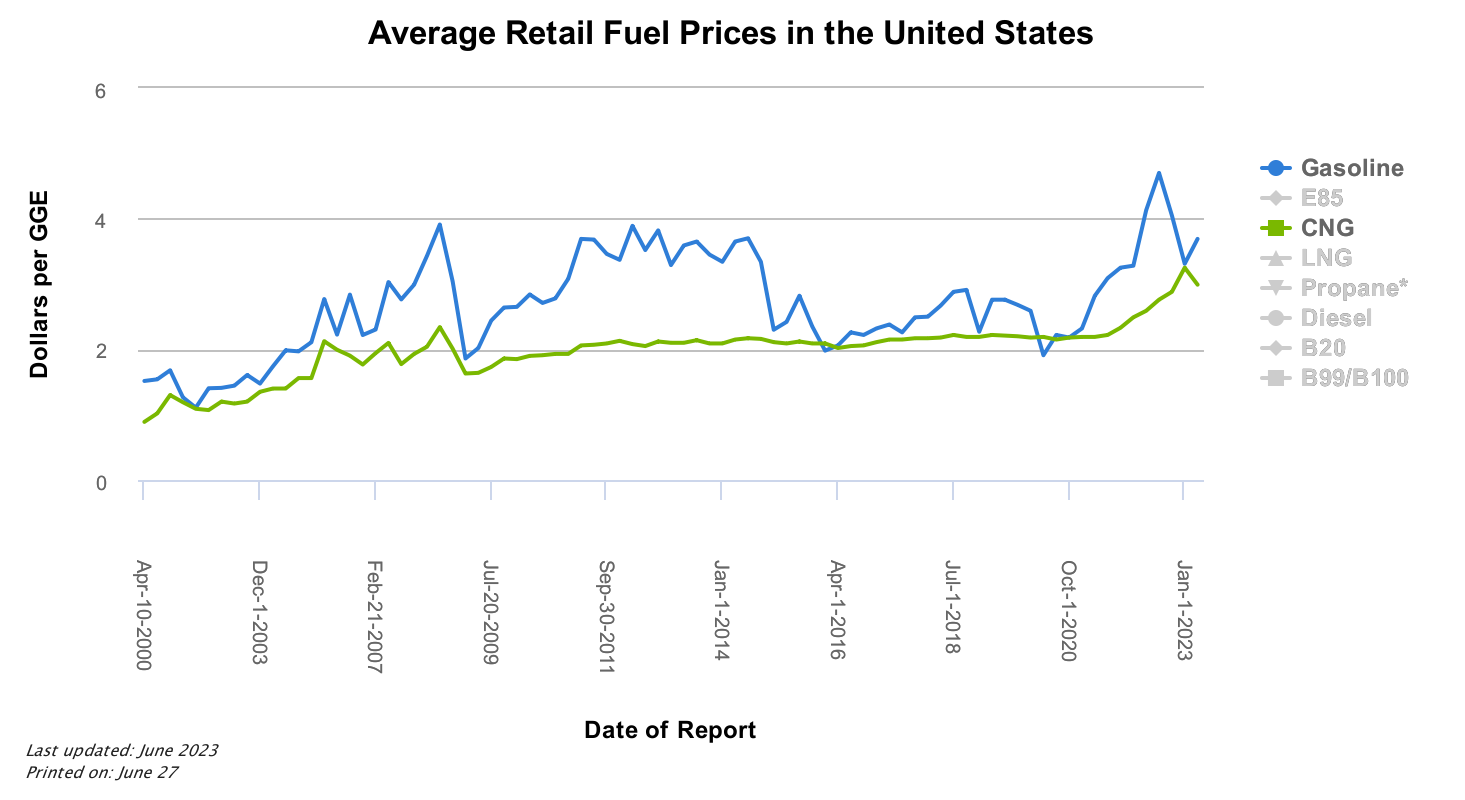
Compared to conventional gasoline and diesel, compressed natural gas (CNG) prices are much more stable, protecting your organization from unexpected fuel price spikes and allowing for extended fueling contracts.
Reliability
Natural gas is typically transported to fueling stations via pipeline. This allows for access to fuel in situations that would otherwise strain gasoline or diesel supplies, which are moved by truck. Examples include hurricanes and extreme weather events. Check out this video of how CNG reliably fueled recovery efforts for Superstorm Sandy in New Jersey!
Reduced Emissions
Natural gas burns cleaner than gasoline and diesel, moderately reducing greenhouse gas emissions for vehicles. The AFDC reports that light-duty vehicles running on conventional natural gas have a lifecycle greenhouse gas reduction of approximately 15% compared to their conventional counterparts. The environmental impact is further reduced if renewable natural gas (RNG) is implemented into the fueling system as opposed to purely conventional sources.
Access
With the world's most extensive natural gas distribution network at hand, many American fleets choose to build their own CNG fueling stations, either independently or in partnership with other organizations. Additionally, there is an existing network of CNG and LNG fueling stations across the country. See the map below for more information!
For more information, go to the Alternative Fuels Data Center’s Natural Gas page.
Renewable Natural Gas
Renewable natural gas (RNG) is a pipeline-quality gas that is fully interchangeable with conventional natural gas and thus can be used in natural gas vehicles. RNG is essentially biogas (the gaseous product of the decomposition of organic matter) that has been processed to purity standards. Like conventional natural gas, RNG can be used as a transportation fuel in the form of compressed natural gas (CNG) or liquefied natural gas (LNG). RNG qualifies as an advanced biofuel under the Renewable Fuel Standard.